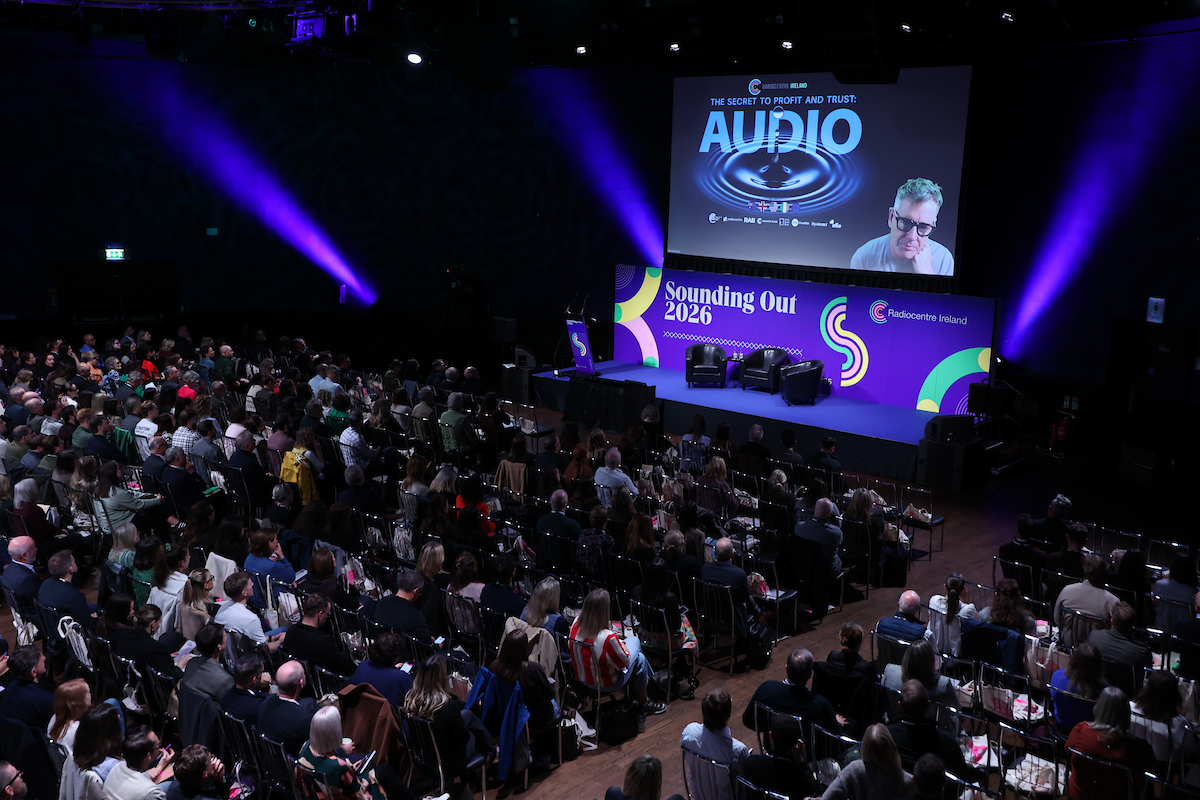

Radiocentre Ireland's Sounding Out 2026 brought together leading international marketing experts, researchers and industry figures to explore how audio advertising can deliver stronger business results and why trust, creativity and human connection matter more than ever.
Held on 15 October at the Round Room at the Mansion House in Dublin, the event explored the theme of Profit and Trust, combining international research, new Irish evidence and practical insights for advertisers, agencies and broadcasters.
Hosted by broadcaster and journalist Sarah McInerney, the conference featured presentations from Mark Ritson, Professor Rachel Kennedy, Beth Marchant, Mark Little, Jason Brownlee and Ralph van Dijk, alongside a panel discussion with Laura Lynch and Paul Dervan.
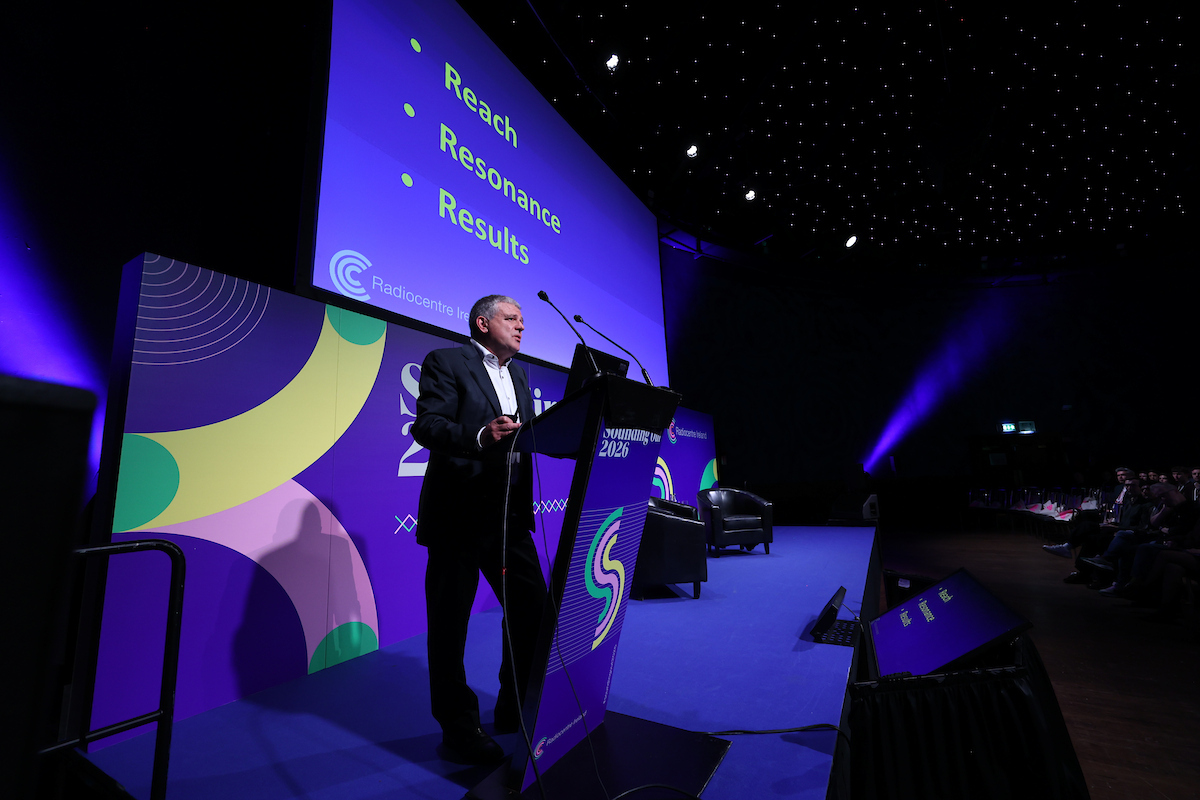
Opening the conference, Radiocentre Ireland CEO Ciarán Cunningham reflected on audio's remarkable ability to connect with people across generations.
Contrasting his memories of hearing Bruce Springsteen's Thunder Road on radio with a contemporary podcast about artificial intelligence, he highlighted how technology has transformed the way people consume audio, while its fundamental power to engage, surprise and connect remains unchanged.
He identified three core strengths of audio: reach, resonance and results.
With approximately 3.5 million adults listening to radio every day in Ireland, Cunningham emphasised audio's exceptional reach, its ability to create meaningful emotional connections and the growing body of evidence demonstrating its commercial effectiveness.
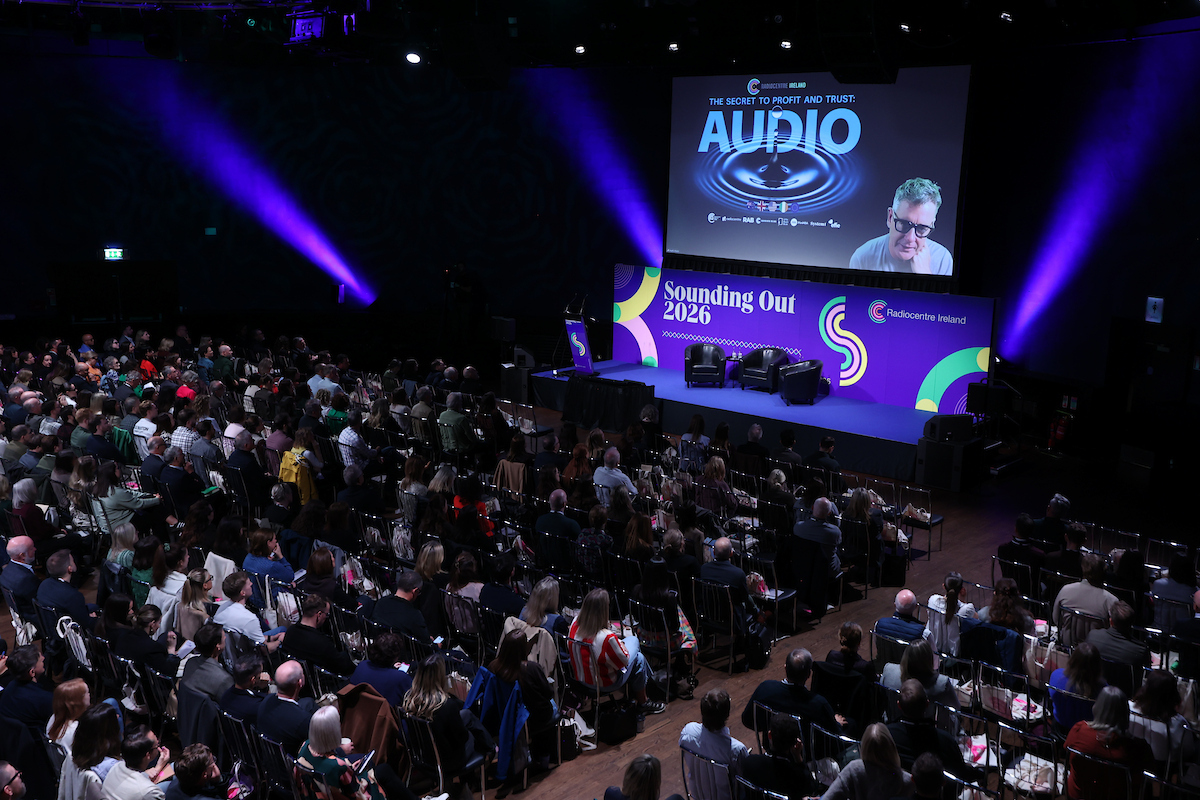
One of the conference's central themes was the growing evidence linking audio advertising with improved business performance.
International marketing expert Mark Ritson presented research examining the effectiveness of advertising campaigns with and without audio.
The findings showed that campaigns incorporating audio achieved an overall effectiveness index of 122 compared with 100 for campaigns without audio, representing a 22% advantage across the combined effectiveness measures.
The research also identified significantly stronger outcomes in areas including profitability, brand trust, pricing power and customer acquisition.
Ritson argued that advertisers could unlock greater returns by allocating a meaningful proportion of their media budgets to audio, while focusing on three essential creative principles: emotion, distinctive brand assets and consistency over time.
Professor Rachel Kennedy of the Ehrenberg-Bass Institute reinforced the importance of understanding how brands grow, highlighting the need to reach both existing and future customers and build the mental availability that makes brands more likely to be thought of and chosen.
Together, the presentations reinforced the importance of broad reach, brand building and sustained investment rather than an exclusive focus on consumers already in the market to buy.
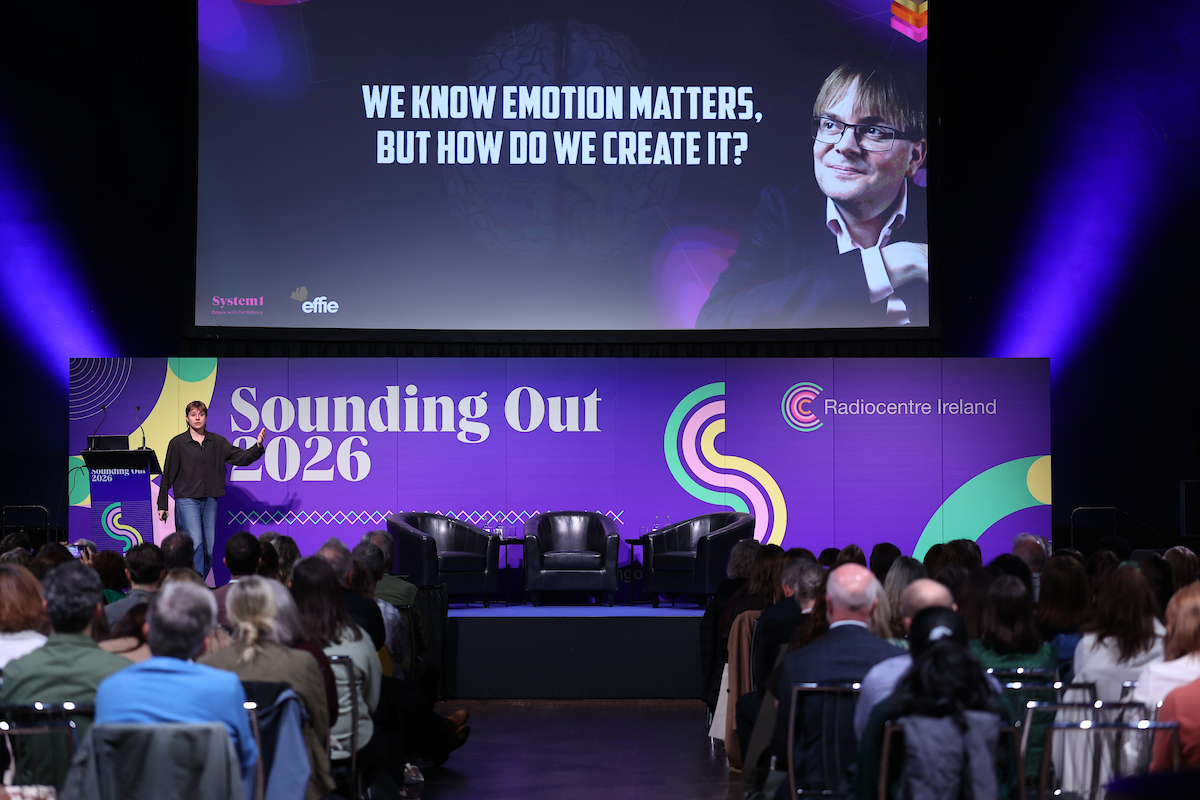
Beth Marchant of System1 presented new research demonstrating that creative quality and media investment must work together to maximise advertising effectiveness.
She identified radio and audio as super touchpoints, capable of generating both immediate commercial results and longer-term brand effects.
Marchant introduced the concept of Excess Share of Creativity, showing how emotionally engaging, distinctive and entertaining advertising becomes considerably more effective when supported by sufficient media investment.
The findings revealed that only 17% of campaigns qualified as high-performing growth engines, combining strong creativity with meaningful media support. These campaigns were three times more likely to report profit growth.
Ralph van Dijk, founder of Eardrum, explored how advertisers can apply these principles specifically to audio.
He encouraged marketers to create advertising for two different audiences: consumers ready to buy today and those who may buy in the future.
His central recommendation was to develop separate approaches for short-term sales activation and long-term brand building, while ensuring both share a recognisable and consistent brand sound.
Van Dijk outlined the Four Cs of Effective Audio Advertising — Codes, Consistency, Consolidation and Creative — demonstrating how advertisers can make audio more memorable, distinctive and commercially effective.
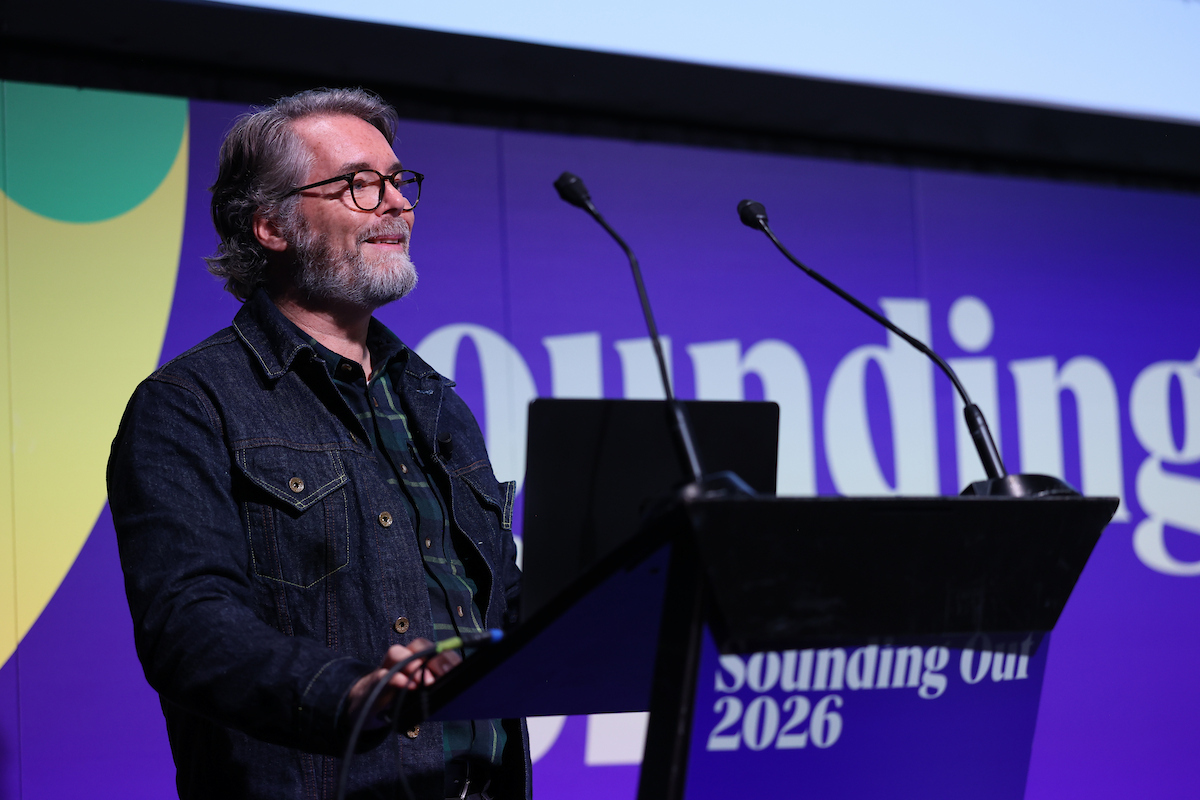
A major highlight of the conference was the unveiling of new Irish econometric research by Jason Brownlee of Colourtext.
The study examined almost two years of data from 20 major brands operating in Ireland, investigating how radio advertising relates to online search behaviour and website activity.
One of its most striking findings was a significant decline in consumers searching for brands by name, even as interest in product categories remained strong.
The research suggested that consumers are increasingly searching for what they want rather than who they want it from.
Against this backdrop, radio demonstrated an important contribution to brand demand.
For 16 of the 20 brands studied, higher radio activity was associated with an increase in at least one measure of online response, with quantified increases ranging from 5% to 51%.
Brownlee also highlighted how conventional digital attribution can overlook radio's contribution when consumers hear an advertisement, subsequently search for the brand and visit its website.
His central message was that audio, search and website activity should be planned and measured as interconnected elements of the customer journey.
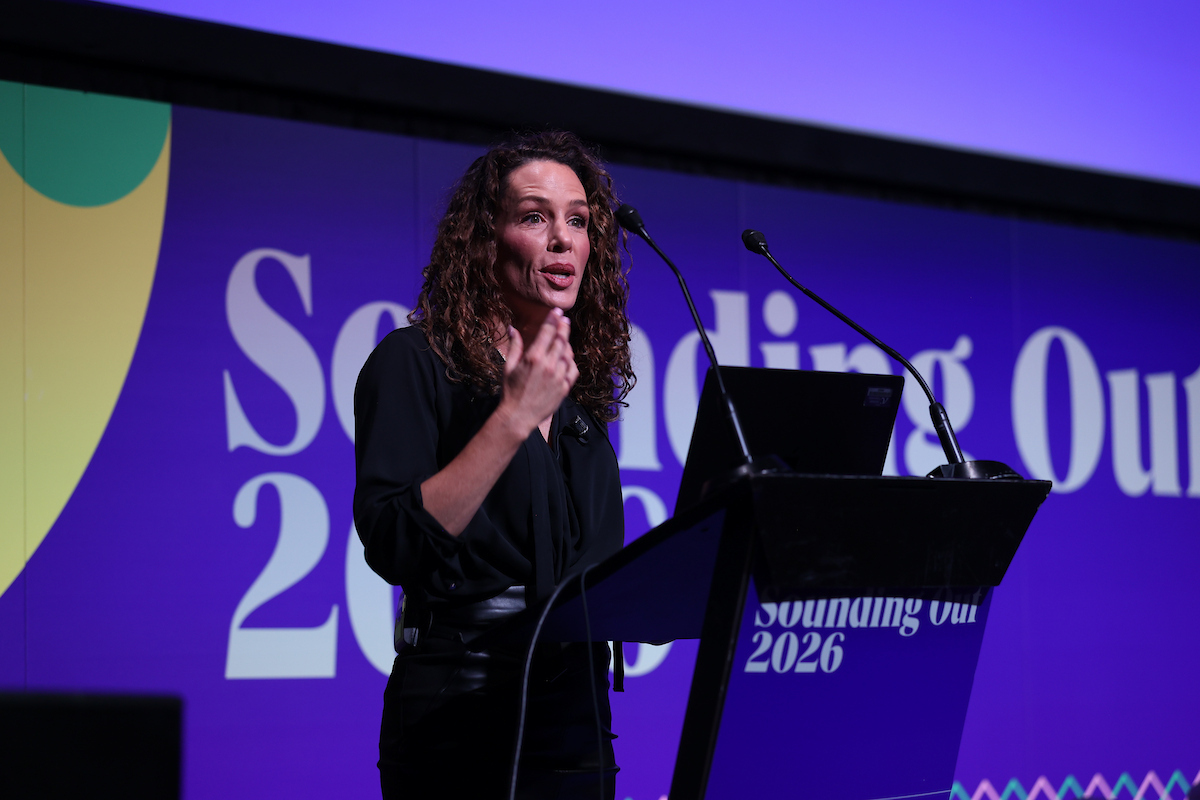
Trust was another defining theme throughout the morning.
Opening the event, Sarah McInerney reflected on the unique relationship that radio and podcast presenters develop with their audiences.
She argued that the familiarity and companionship created through audio help establish a particularly powerful sense of trust, but warned that misinformation and increasingly polarised online debate mean trusted journalism can no longer take its credibility for granted.
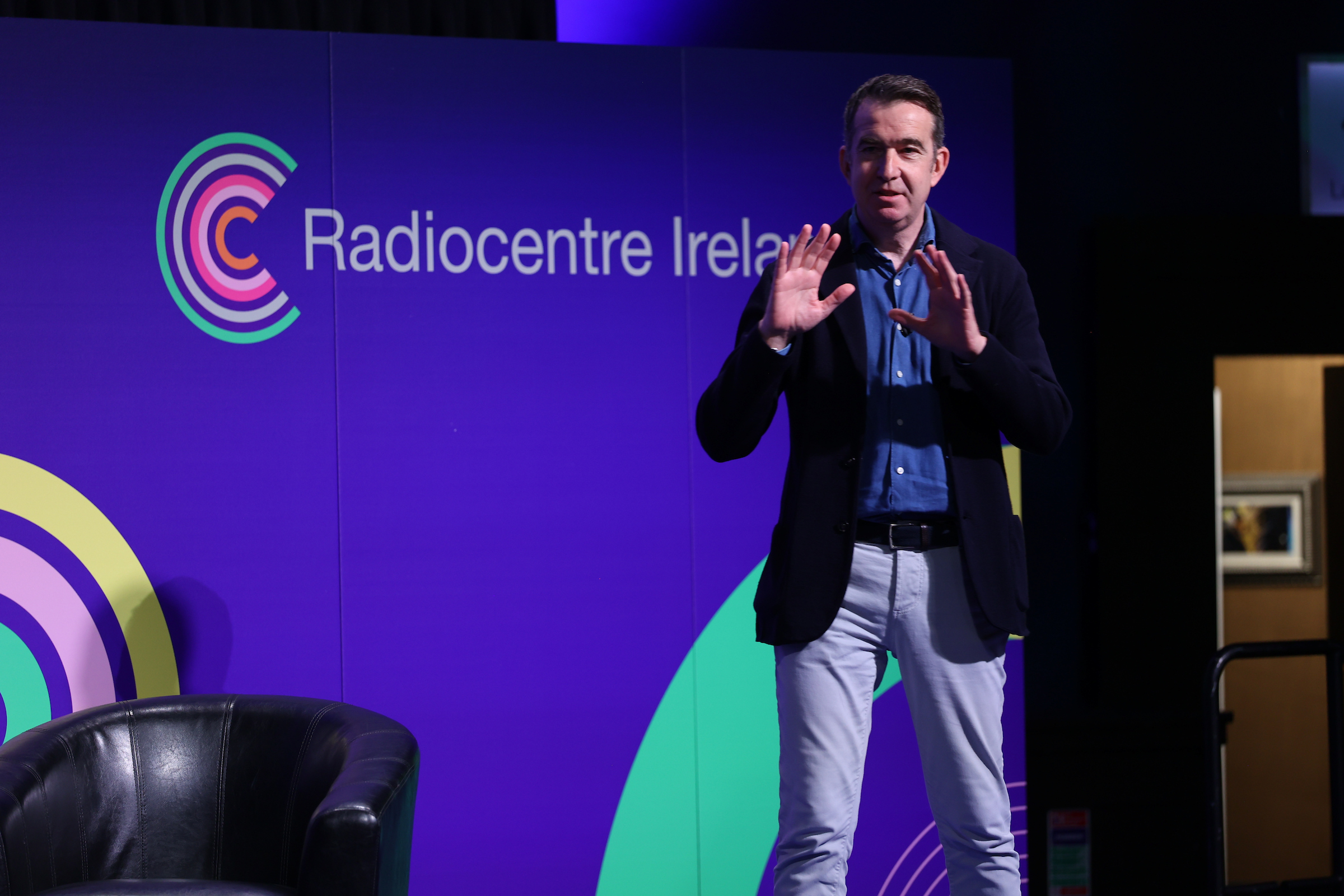
Mark Little, journalist, entrepreneur and Storyful founder, explored how artificial intelligence is accelerating changes in media, communication and society.
He warned of the emergence of a zero-trust internet, where synthetic content and algorithm-driven platforms make it increasingly difficult to distinguish genuine human communication from artificial activity.
However, Little offered an optimistic perspective on the future.
He described how trust is shifting away from institutions towards communities, personal relationships and authentic human experiences.
His conclusion was particularly relevant to audio: as artificial intelligence becomes more pervasive, genuine human connection, recognisable voices and trusted relationships may become more valuable than ever.
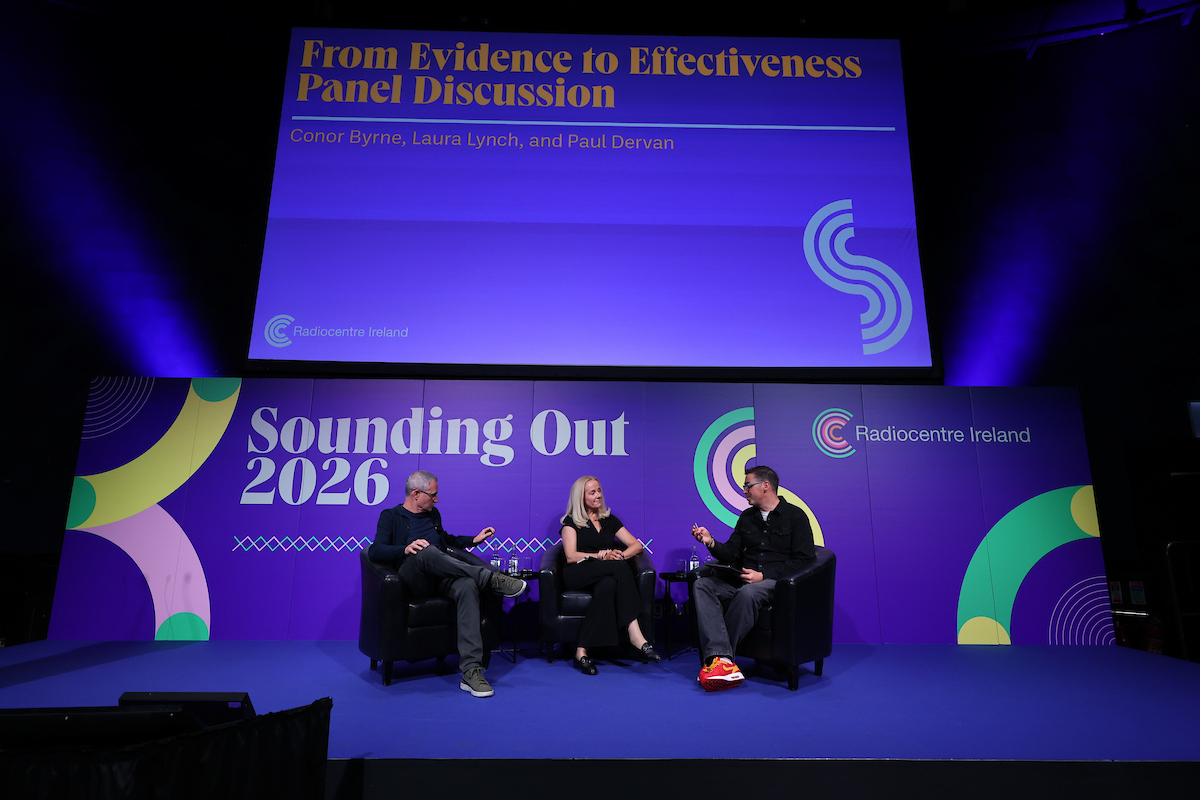
A panel discussion moderated by Conor Byrne, featuring Laura Lynch, Chief Marketing Officer at Bank of Ireland, and Paul Dervan, founder of Run with Foxes, brought the morning's research into a practical business context.
The discussion explored how marketers can communicate the commercial value of brand building, secure internal support for investment and balance short-term performance with long-term growth.
Both panellists emphasised the importance of high-quality creative work and the need to give audio advertising the strategic attention, investment and development time it deserves.
They also highlighted radio's ability to deliver immediate business results while building the brand familiarity and preference that support future growth.
Across the presentations, a consistent message emerged.
Effective advertising requires more than simply reaching consumers at the moment they are ready to buy. It requires building brands that people know, recognise, trust and actively choose.
The research presented at Sounding Out 2026 demonstrated audio's ability to contribute to that process through its combination of reach, emotional engagement, creative possibilities and trusted relationships with audiences.
The conclusion from Sounding Out 2026 was clear: audio is not simply a medium for delivering advertising messages. When used strategically and creatively, it is a powerful driver of brand growth, business effectiveness and trust.
You can watch the presentations and download the presentaton decks in the Insights and Sounding Out sections of this website.