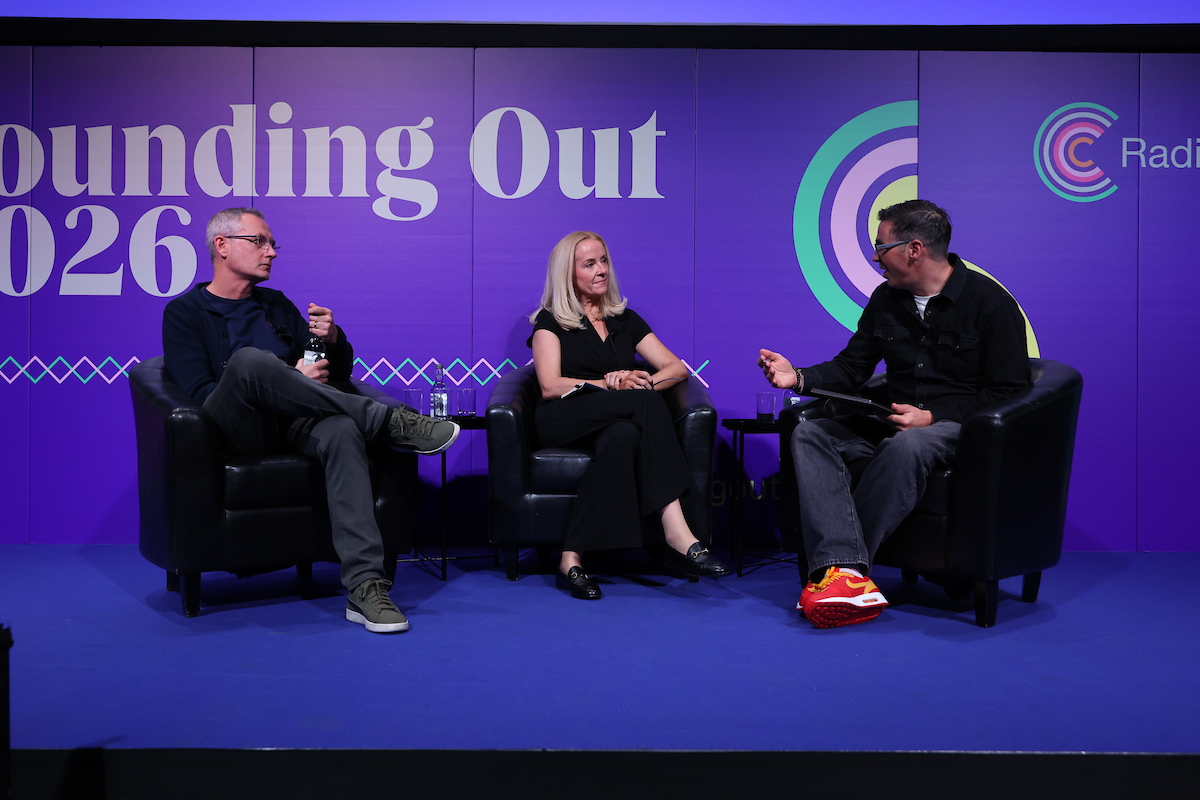
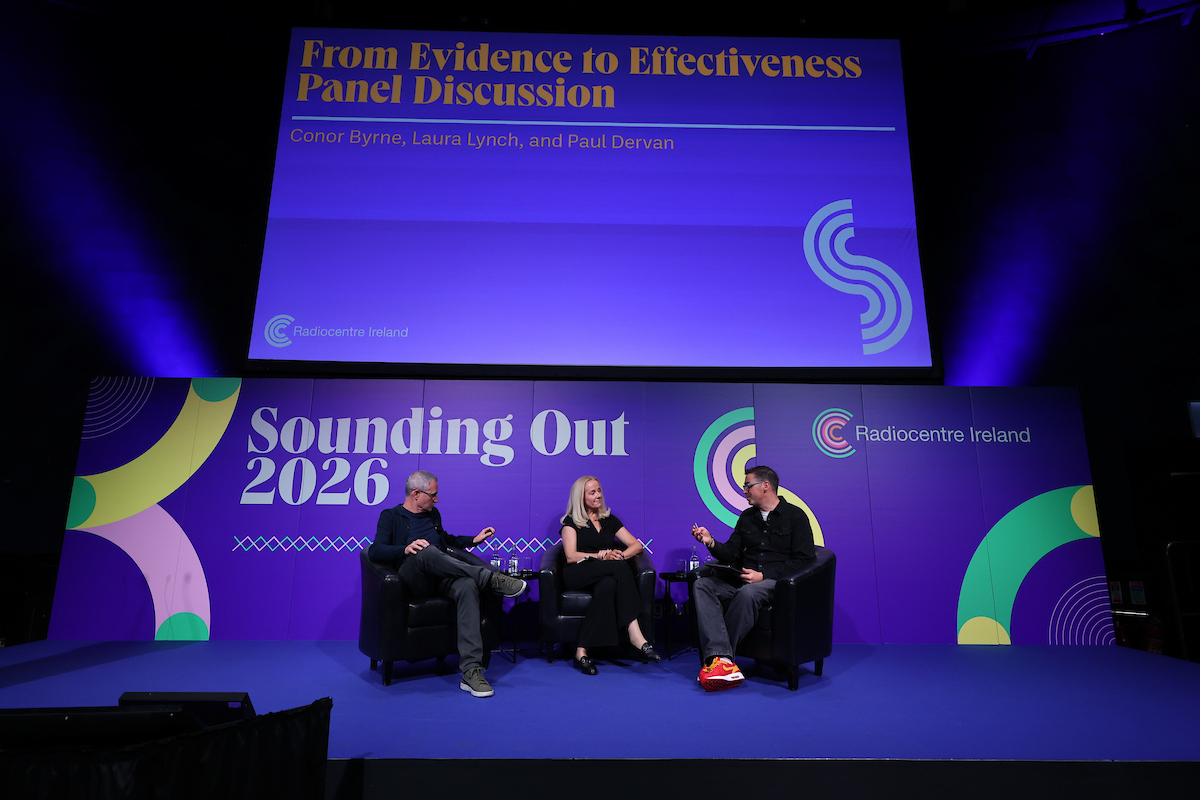
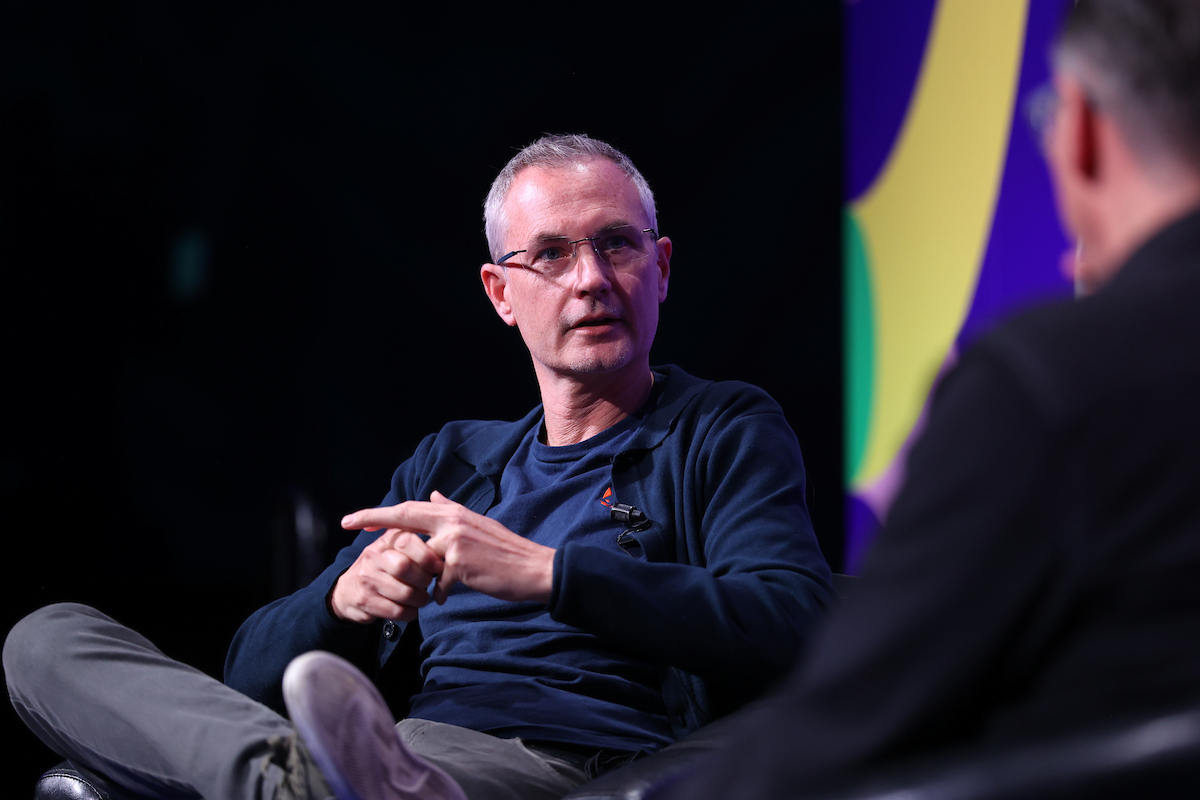
At Radiocentre Ireland's Sounding Out 2026, a panel discussion featuring Laura Lynch, Chief Marketing Officer at Bank of Ireland, and Paul Dervan, founder of Run with Foxes, explored how marketers can turn the evidence on advertising effectiveness into practical strategies for driving business growth.
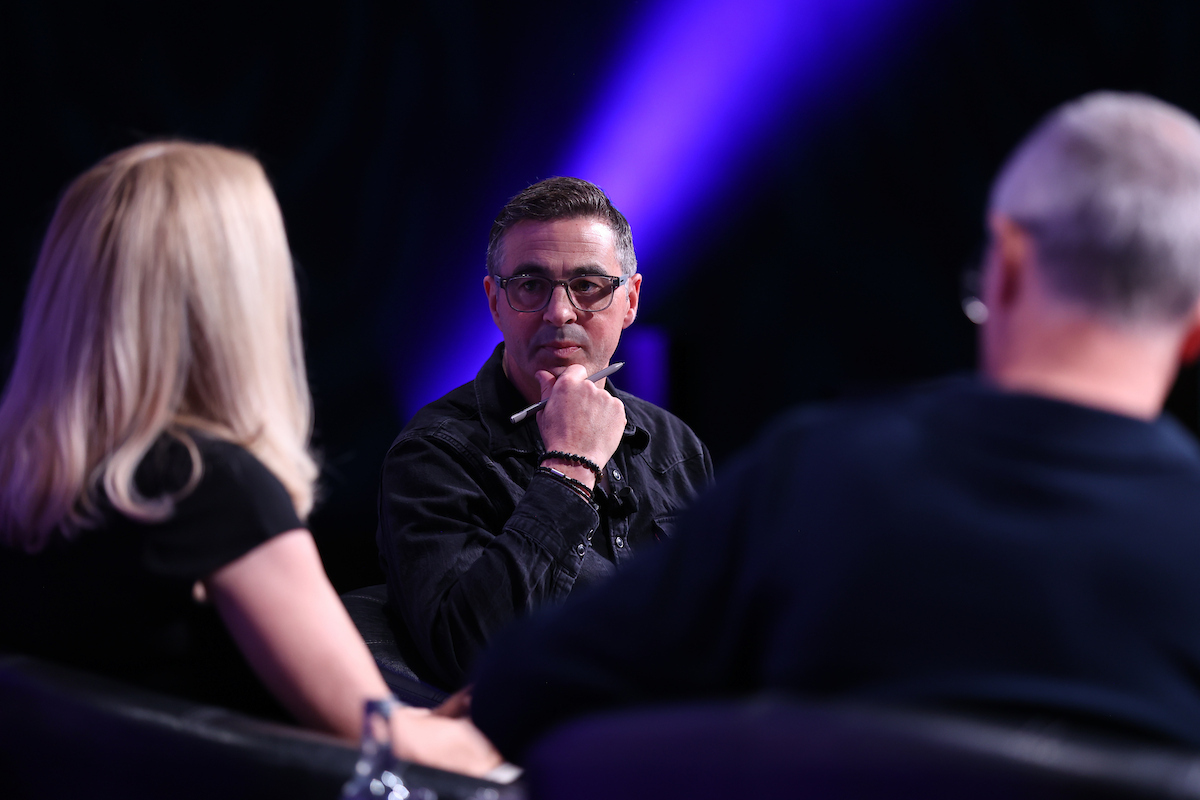
Moderated by Conor Byrne, host of That's What I Call Marketing, the discussion focused on the challenges of balancing short-term sales with long-term brand building, securing internal support for marketing investment and creating advertising that genuinely connects with consumers.
Speaking the Language of Business
One of the central themes was the importance of communicating marketing's value in commercial terms.
Laura explained that marketers often use language that does not resonate with senior stakeholders, particularly those in finance. Rather than focusing on campaigns and creative execution, she emphasised the importance of demonstrating how marketing contributes to growth, relevance and commercial performance.
Paul agreed, arguing that marketers must manage expectations about what advertising can realistically achieve and demonstrate how long-term brand investment contributes to business outcomes.
Both stressed that finance teams should be viewed as partners in growth rather than obstacles to marketing investment.
Building Demand for Tomorrow
The panel explored the importance of reaching consumers who are not currently in the market to buy.
Paul highlighted the value of the 95:5 principle, explaining that focusing exclusively on the small proportion of consumers ready to purchase today means missing the much larger audience of future customers.
Laura described how Bank of Ireland's new brand platform was developed as an integral part of the bank's wider business strategy, with the objective of building long-term relevance and future demand.
She argued that brand building also makes targeted marketing more effective by ensuring consumers already know, recognise and consider the brand when they enter the market.
The Importance of Creative Quality
Both panellists emphasised that effective advertising requires investment in creativity, not simply media.
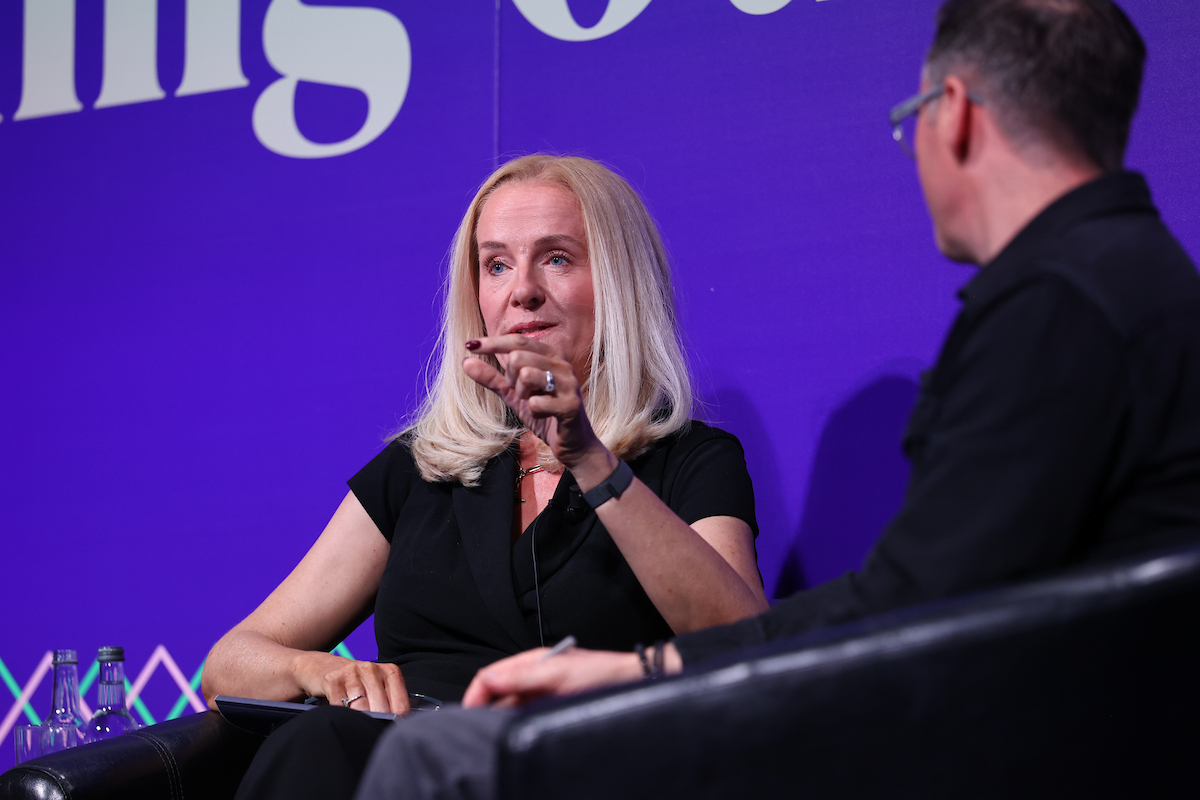
Laura discussed Bank of Ireland's decision to adopt a more distinctive, humorous and emotionally engaging creative approach, challenging traditional expectations of advertising in the financial services category.
She explained that the work required extensive strategic preparation and a willingness to challenge established internal approval processes.
Paul reflected on his experience of producing radio advertising, acknowledging that a constant cycle of short, promotional advertisements had limited opportunities to develop stronger creative work.
By shifting the focus towards emotional effectiveness, testing and longer-running campaigns, his team was able to create advertising that could build value over time rather than being replaced every few weeks.
Audio's Role in Driving Growth
The discussion also explored audio's contribution to both immediate business results and long-term brand development.
Paul shared his experience of using radio advertising to promote Run with Foxes, explaining that the activity generated enough enquiries to cover its short-term costs while also building awareness and mental availability for the business.
Laura described radio as a crucial part of Bank of Ireland's marketing ecosystem, highlighting its ability to tell stories, build connections and reach audiences across Ireland.
She emphasised that audio should not be treated simply as a shortened version of television advertising. Instead, it deserves its own creative approach, with Bank of Ireland increasingly considering sound across radio, podcasts and customer interactions.
From Evidence to Action
Concluding the discussion, both panellists encouraged marketers to be more ambitious in how they approach advertising effectiveness.
Laura urged marketers to challenge whether their activity was genuinely contributing to business growth rather than simply producing work they personally liked.
Paul called for greater investment in audio creativity, including dedicated budgets, sufficient development time and proper creative testing.
The central message was clear: effective marketing requires a combination of commercial understanding, long-term thinking and creative ambition. And when audio is given the strategic attention and creative investment it deserves, it can play a powerful role in building brands and driving business growth.
You can watch the panel discussion by clicking the button below.