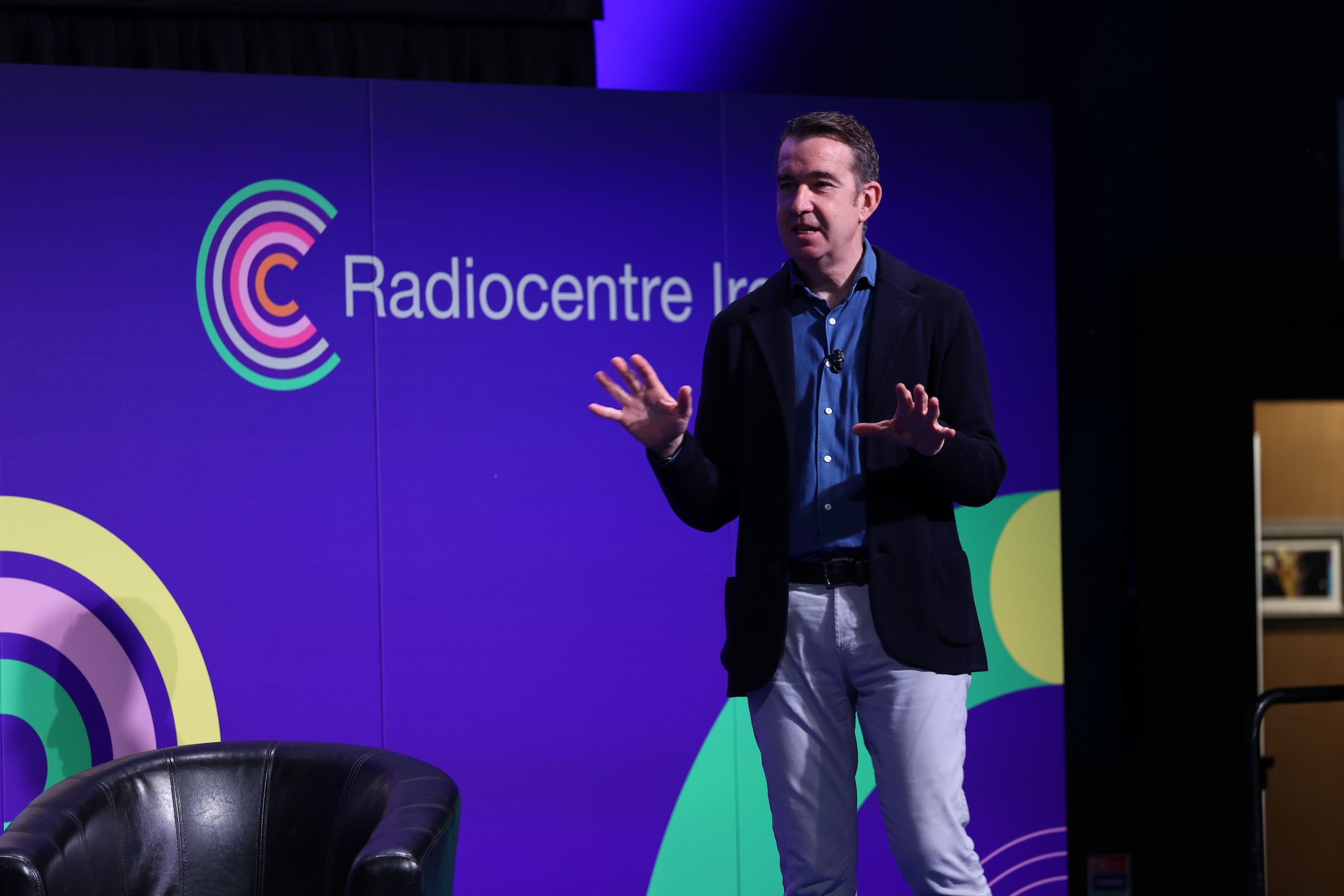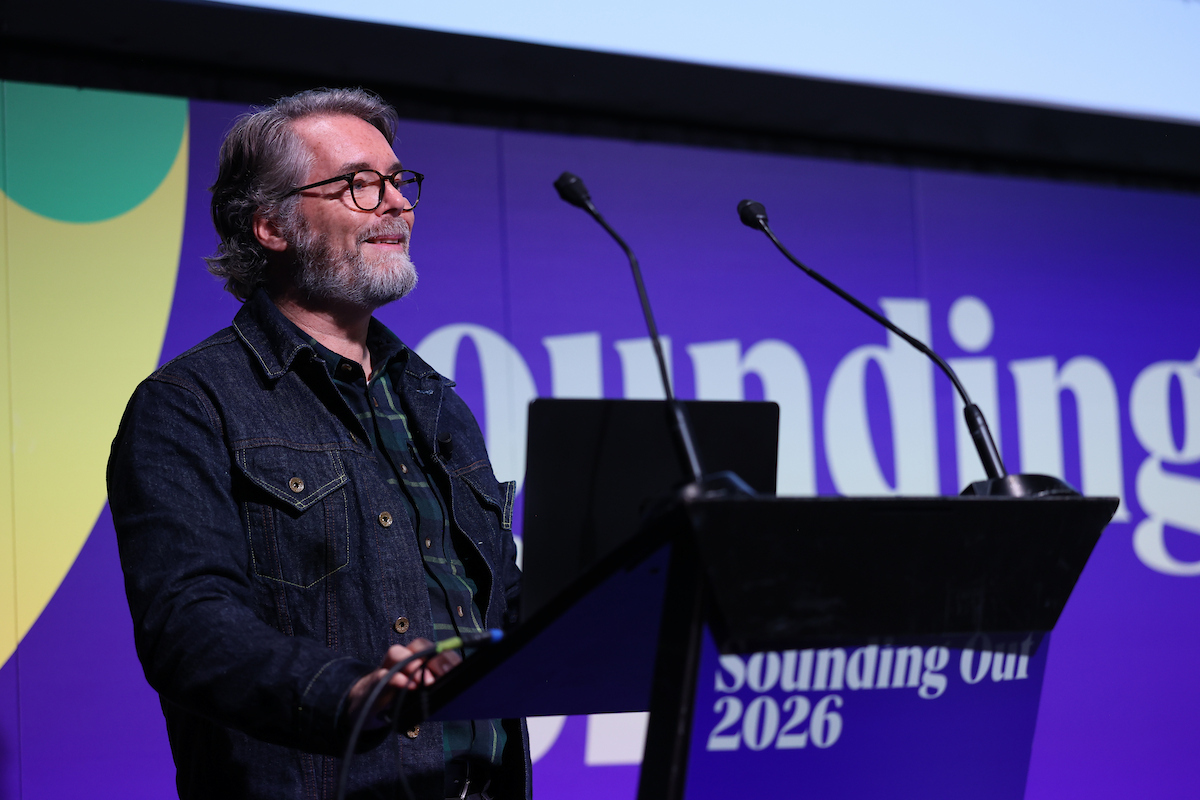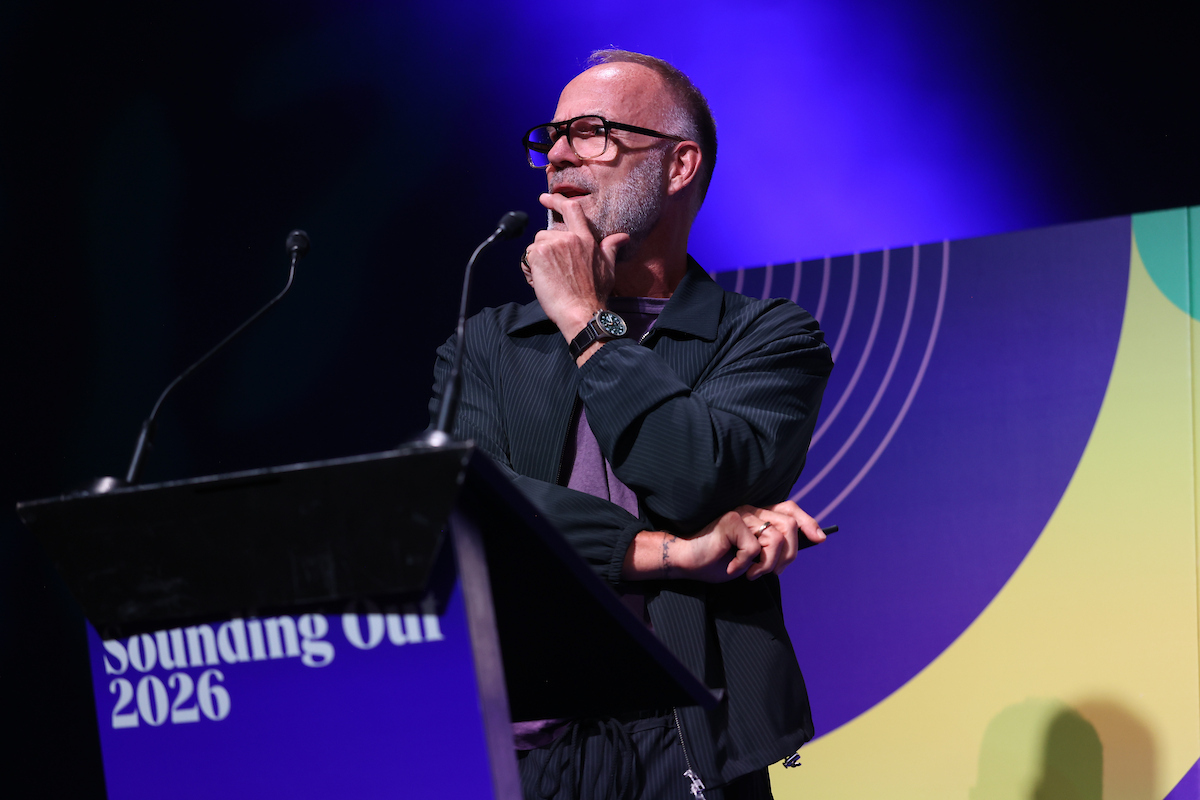
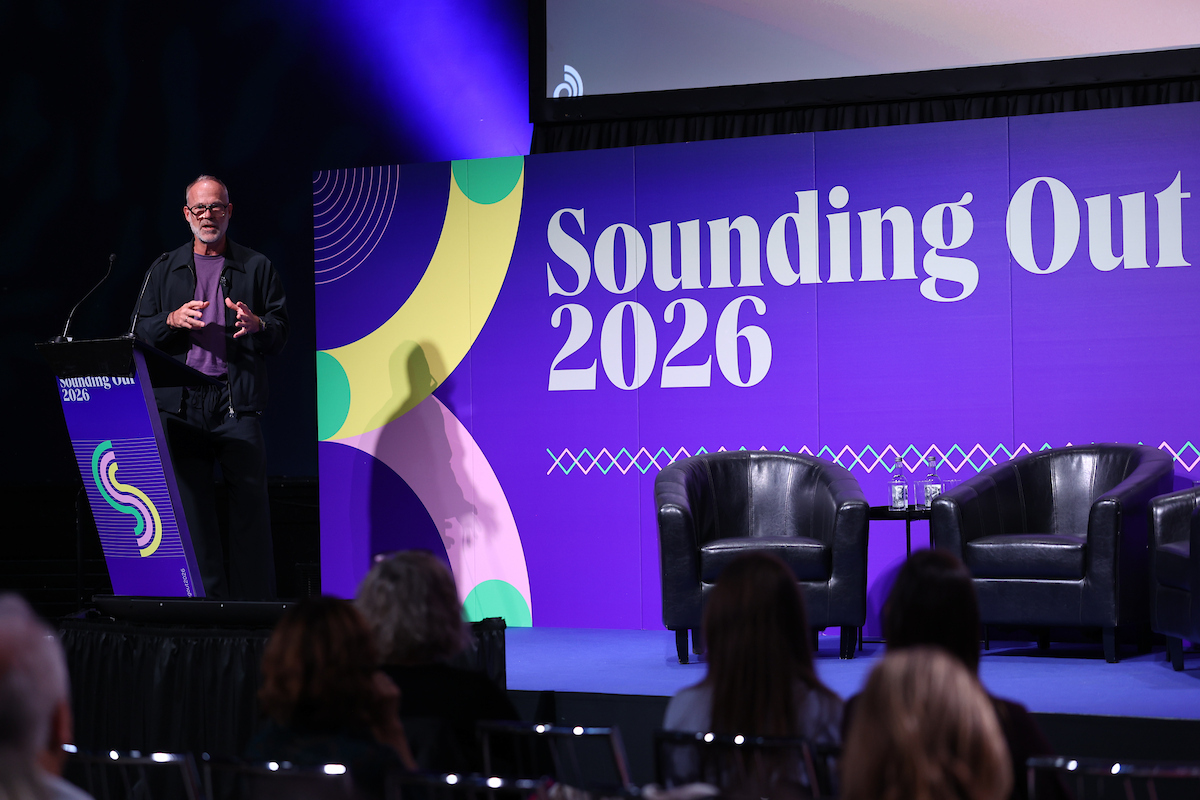
At Radiocentre Ireland's Sounding Out 2026, Ralph van Dijk, founder of Eardrum, outlined how advertisers can unlock the full potential of audio by using it to deliver both short-term sales and long-term brand growth.
His central message was refreshingly simple: "Make one ad for the people buying today. Make another ad for people who buy next year. And make both ads sound the same."
Van Dijk argued that too much radio advertising focuses exclusively on immediate sales, with messages built around promotions, special offers and calls to action. While these have an important role, they overlook audio's considerable ability to build brands, create memories and influence future purchasing decisions.
Drawing on effectiveness research, he suggested that advertisers should broadly balance investment between short-term activation and long-term brand building, although the precise balance will depend on the brand.
The two objectives require different creative approaches. Advertising aimed at people ready to buy should be informative, useful and relevant to the moment of purchase. Advertising aimed at future customers needs to be more emotional, distinctive and memorable, ensuring the brand comes to mind when those consumers eventually enter the market.
Crucially, the two executions should sound like the same brand, allowing short-term advertising to benefit from the recognition and associations established through long-term brand building.
The Four Cs of Effective Audio Advertising
Van Dijk revisited his established framework for audio effectiveness, demonstrating how four principles can help brands achieve both objectives.
1. Codes — Build distinctive audio assets
Brands should develop recognisable sonic identities through consistent voices, music, audio logos or other distinctive sounds.
These assets act as shortcuts to brand recognition, helping listeners identify an advertiser quickly, even when they are only partially paying attention.
Van Dijk highlighted Intel and Netflix as examples of successful sonic branding, while warning that audio assets must be genuinely distinctive. Simply adopting sounds that are fashionable or widely used by competitors risks creating confusion rather than recognition.
2. Consistency — Let advertising build over time
Effective audio advertising becomes more powerful through repetition and familiarity.
Van Dijk argued that campaigns often become more effective in their second and third years as recognition and associations strengthen.
Rather than continually reinventing campaigns, brands should maintain a consistent sound, creative platform and identity across different executions.
As he explained, "Ads wear in, not wear out."
3. Consolidation — Build share of voice
Van Dijk encouraged advertisers to concentrate investment where they can achieve a meaningful share of voice rather than spreading budgets too thinly.
Audio offers particular opportunities for smaller and medium-sized brands to dominate specific stations, programmes or podcast genres, even when they cannot compete with larger advertisers across other media.
The objective is to become highly visible — or, in audio's case, highly audible — within a relevant listening environment.
4. Creative — Make advertising worth listening to
Creativity was the final and arguably most important ingredient.
Van Dijk warned that dull advertising is expensive advertising, because brands must spend more on media to achieve the same results as engaging creative work.
He argued that audio has a particular creative advantage: listeners actively participate by creating their own mental pictures, making the medium especially effective at generating emotion.
Great audio creative, he suggested, is not an optional extra but a multiplier of media effectiveness.
Bringing the Strategy to Life
Van Dijk demonstrated the approach using advertising for Australian outdoor equipment brand Bushranger.
He played examples of emotional brand-building advertising alongside a more conventional promotional advertisement, before showing how the sales message could be rewritten to retain the brand's distinctive creative style.
The result was two advertisements performing different jobs while reinforcing the same brand identity.
His advice to advertisers, agencies and broadcasters was to approach audio with two separate objectives, two creative briefs and two appropriate measures of success — but one consistent brand sound.
The takeaway was clear: audio can build tomorrow's customers while converting today's buyers. The greatest opportunity comes when brands use creativity, consistency and distinctive sonic assets to make both jobs work together.
You can watch a recording of Ralph's talk and download the presentation deck by clicking the buttons below.
You can view a recording of the presentation and download the presentation deck by clicking the buttons below.