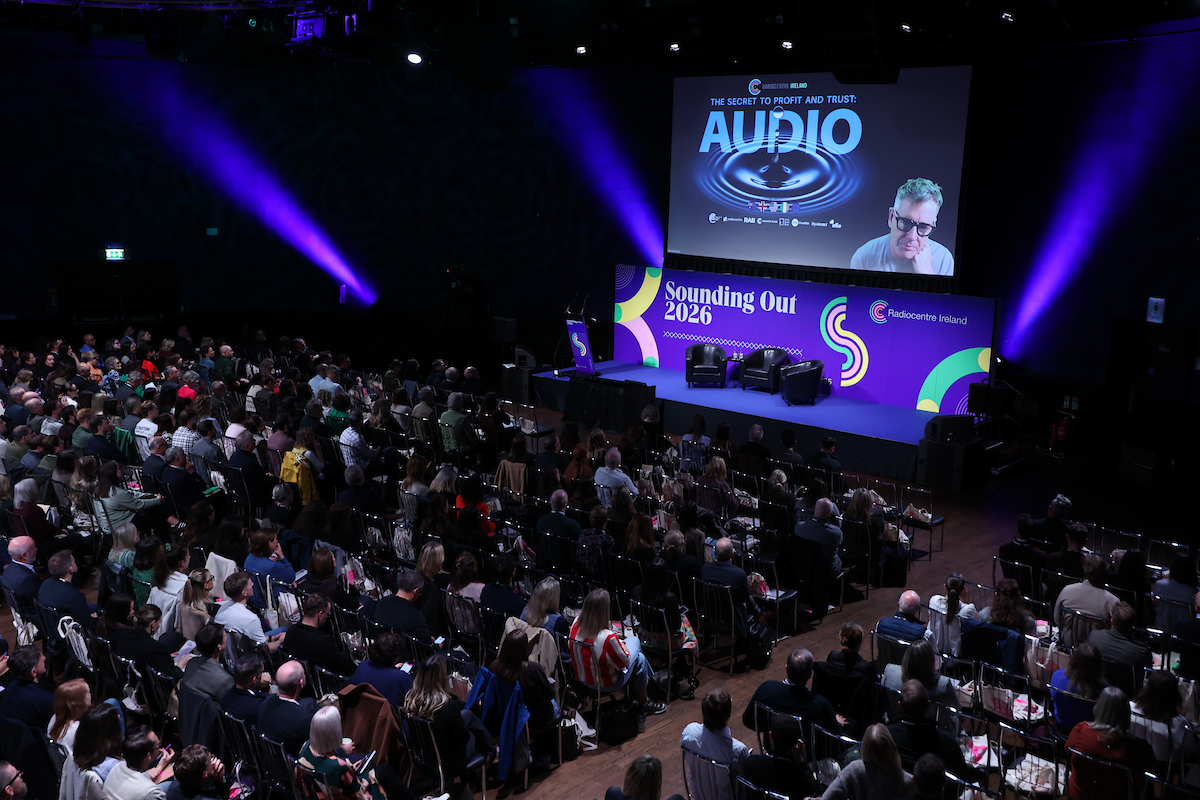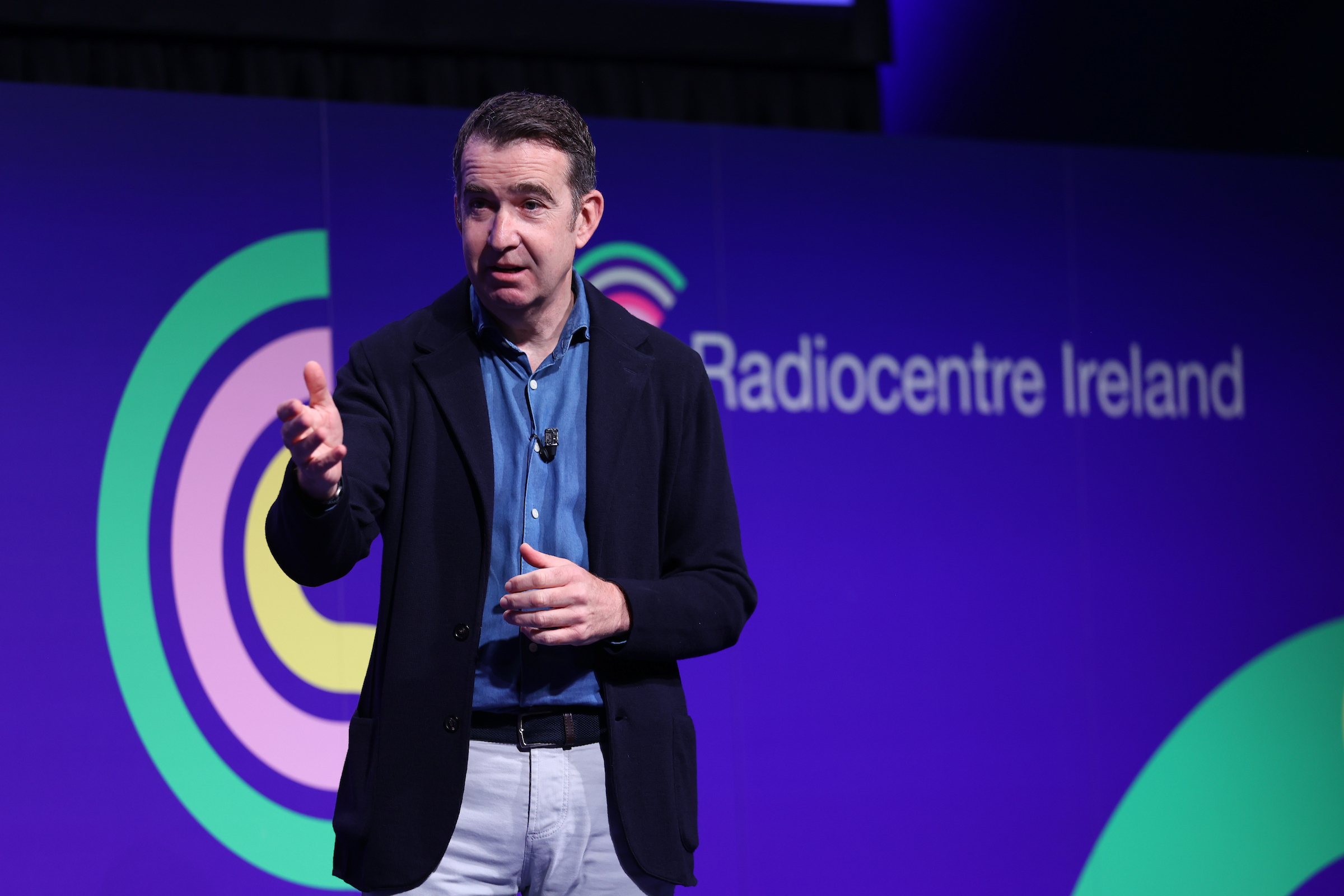
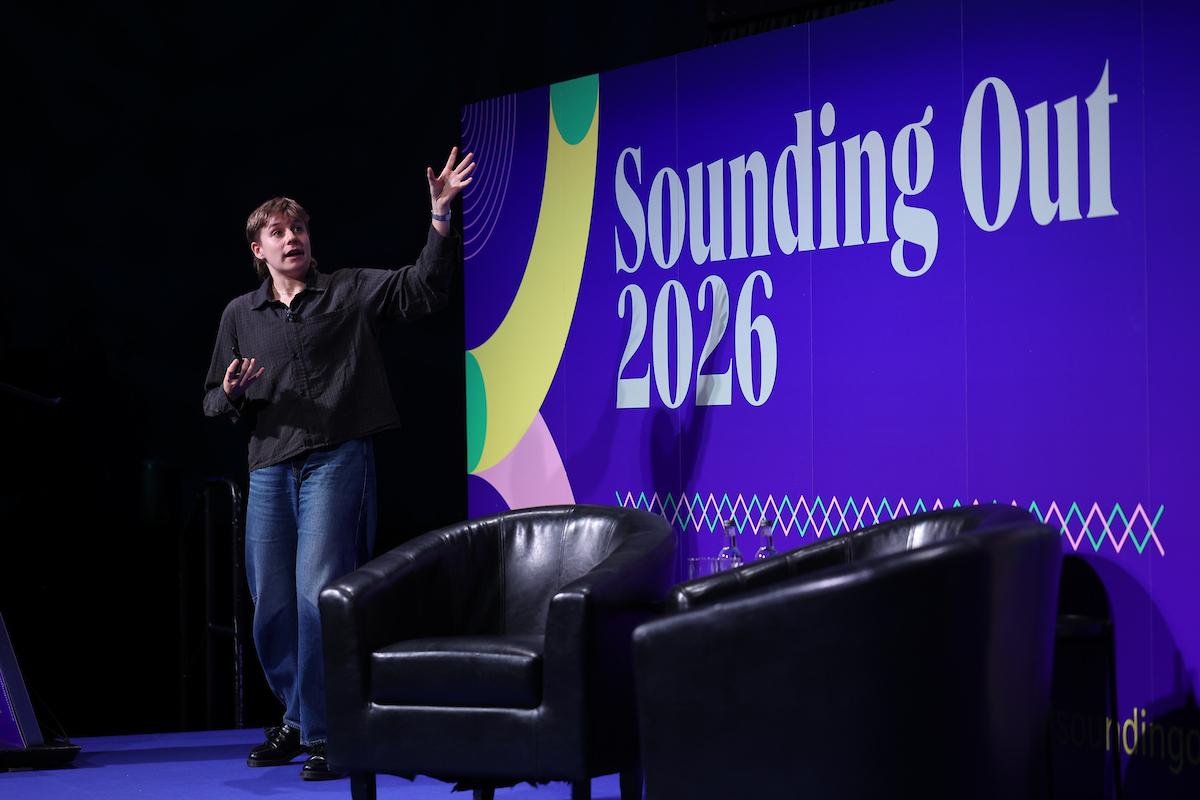
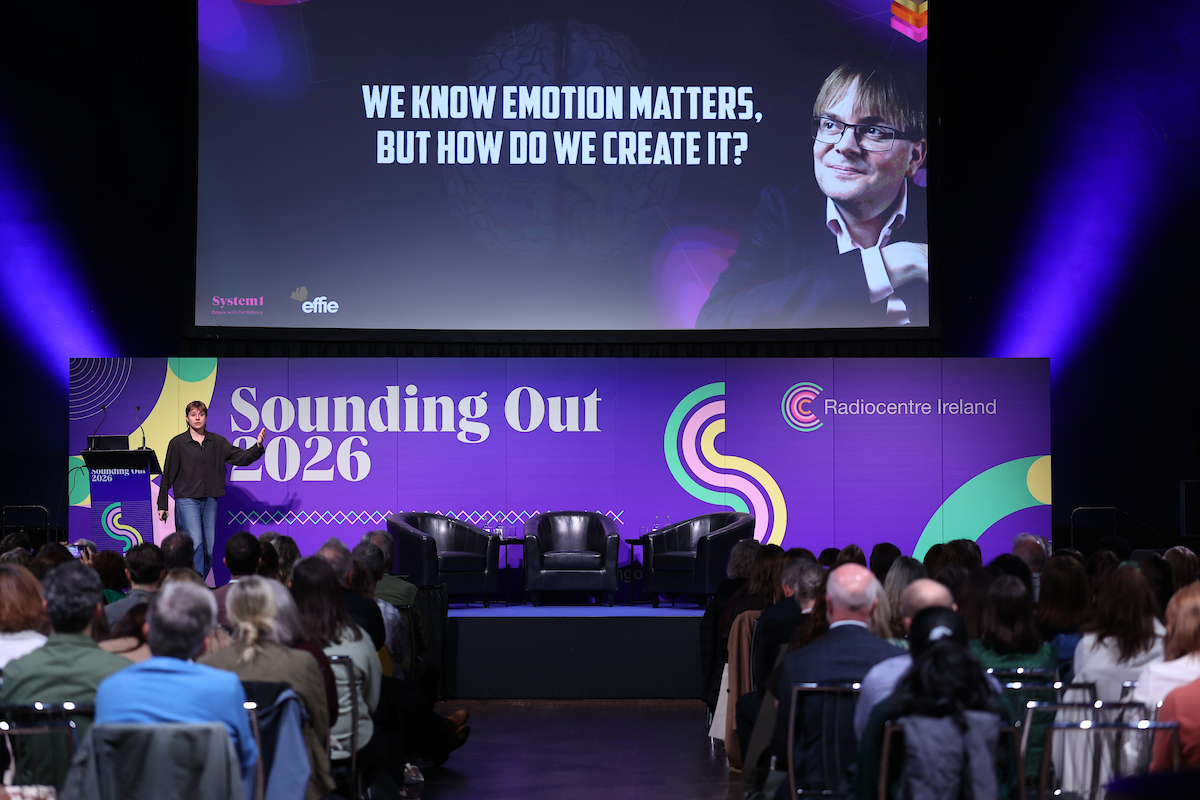
At Radiocentre Ireland's Sounding Out 2026, Beth Marchant of System1 presented new research demonstrating why creativity and media investment must work together to deliver stronger business results.
Drawing on an extensive effectiveness database combining more than 1,000 advertising campaigns with System1's creative effectiveness measurements, Marchant explored what makes advertising successful and why brands need to rediscover the importance of emotional, entertaining creative work.
Brand Building Matters More Than Ever
Marchant argued that brand building has become increasingly important as consumers face more advertising, more screens and more competing messages than ever before.
The research showed that the relationship between brand-building effects and commercial outcomes, including profit, revenue and market share growth, has strengthened over the past 15 years.
However, she warned that marketing investment has increasingly shifted towards lower-attention digital channels and short-term objectives, often at the expense of broad-reach media and emotionally engaging advertising.
Marchant highlighted audio's particular strength in this environment.
The research identified radio, podcasts and audio as 'super touchpoints' — media capable of delivering both immediate commercial effects and longer-term brand building.
Radio was particularly well positioned to achieve both objectives, helping advertisers convert existing demand while building future demand.
Creativity Is a Commercial Advantage
Marchant introduced System1's Creativity Stack, a framework identifying the creative characteristics associated with more effective advertising.
These include emotional engagement, distinctiveness, consistency over time and what she called showmanship — creating advertising that is genuinely interesting and entertaining enough to earn people's attention.
While distinctiveness and consistency are important, Marchant argued that marketers have become too focused on being recognisable and not focused enough on making advertising emotionally engaging.
She illustrated the point with examples of effective audio advertising, including campaigns for Weetabix, Victoria Bitter and Ring.
The examples demonstrated how humour, dialogue, distinctive voices, music, storytelling and sound effects can create memorable advertising that captures listeners' imaginations.
Marchant explained that these creative techniques help generate stronger emotional responses and more lasting memories than advertising focused primarily on functional claims, product information and calls to action.
For advertisers seeking to build brands over time, she encouraged greater use of audio's unique creative possibilities — particularly its ability to create vivid stories and imagery in the listener's mind.
The Power of Combining Creativity and Media
One of the presentation's most significant findings concerned the relationship between creative quality and media investment.
Marchant introduced the concept of Excess Share of Creativity (ESOC), which considers a campaign's creative advantage over competitors alongside the media investment supporting it.
The research found that combining strong creativity with sufficient media support was associated with a significantly greater likelihood of market share growth and profit.
She illustrated this through a planning framework that distinguished between highly creative campaigns with insufficient reach, heavily advertised but unengaging campaigns, and the most effective combination of both.
These high-performing campaigns were described as 'growth engines'.
The findings were striking:
Bringing Creativity and Media Back Together
Marchant concluded by challenging marketers to be more ambitious about both creative development and media planning.
Rather than treating creativity and media investment as separate decisions, she argued that they should be planned together to maximise effectiveness.
Her message was that the industry needs to move beyond simply making advertising distinctive and invest more in the emotional storytelling and entertainment that make brands memorable.
The conclusion was clear: great creativity deserves great media support. When brands combine emotionally engaging advertising with the reach needed to make it famous, they significantly improve their chances of achieving profitable growth.
You can watch Beth give her presentation and download her presentation deck by clickingnthe buttons below.