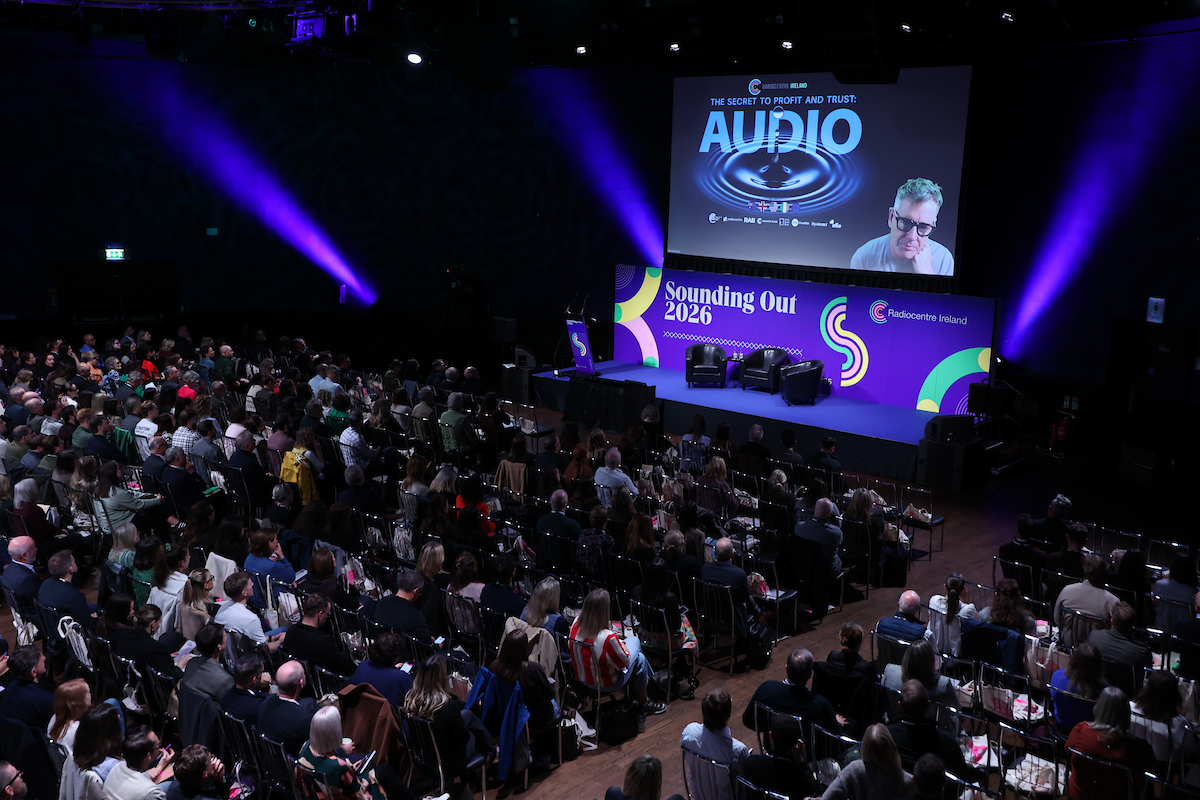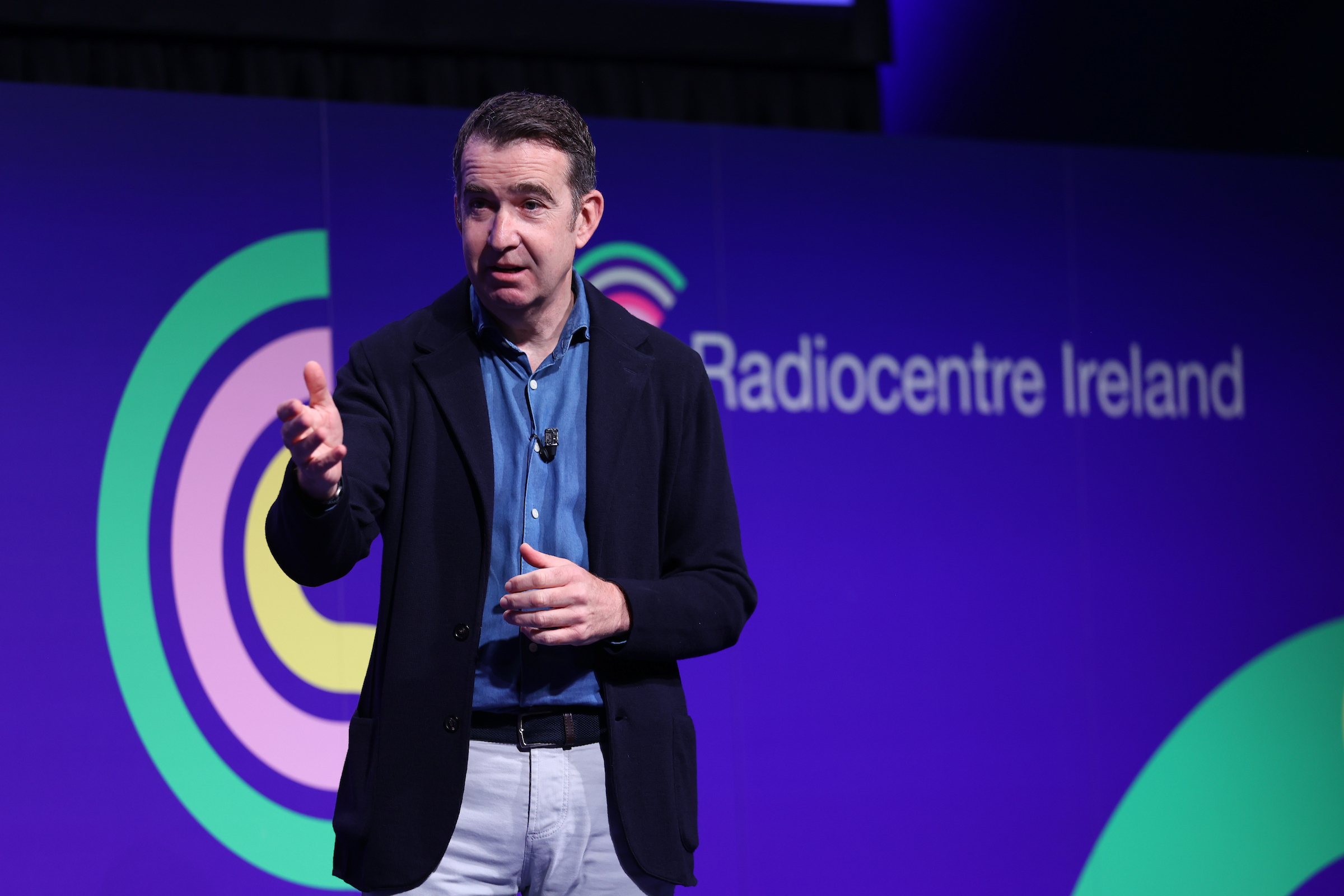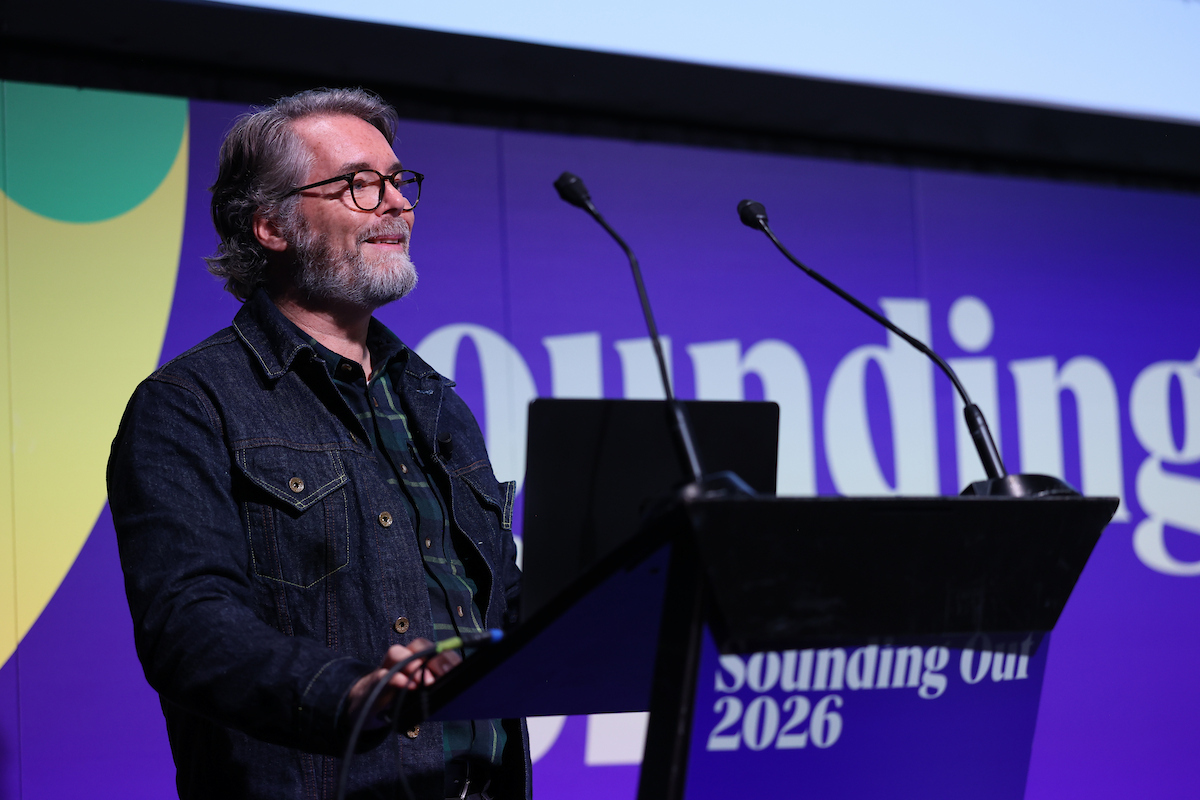
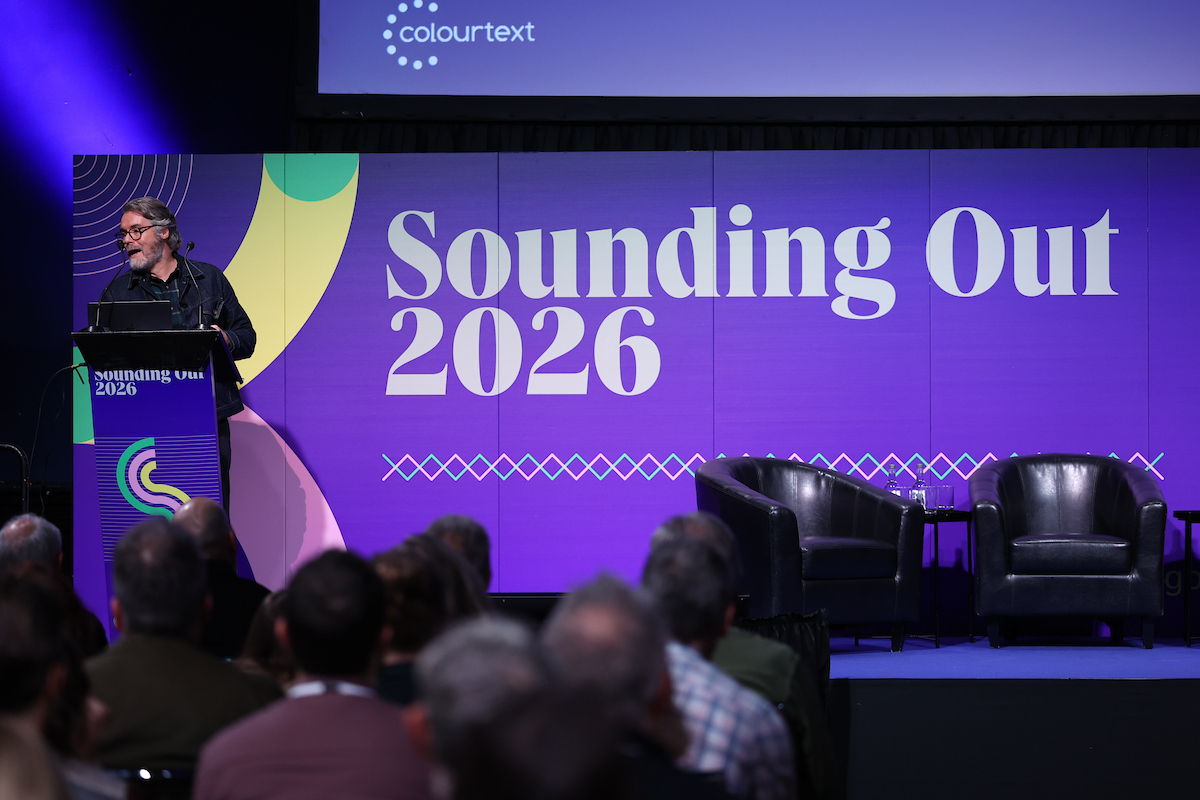
At Radiocentre Ireland's Sounding Out 2026, Jason Brownlee of Colourtext unveiled new Irish research examining how radio advertising influences online consumer behaviour and helps brands generate demand.
The econometric study analysed almost two years of data from 20 major brands operating in Ireland, using thousands of model variations to examine the relationship between radio advertising and six measures of online search and website activity.
The findings revealed a significant shift in how consumers search online, alongside compelling evidence of radio's contribution to brand discovery and website engagement.
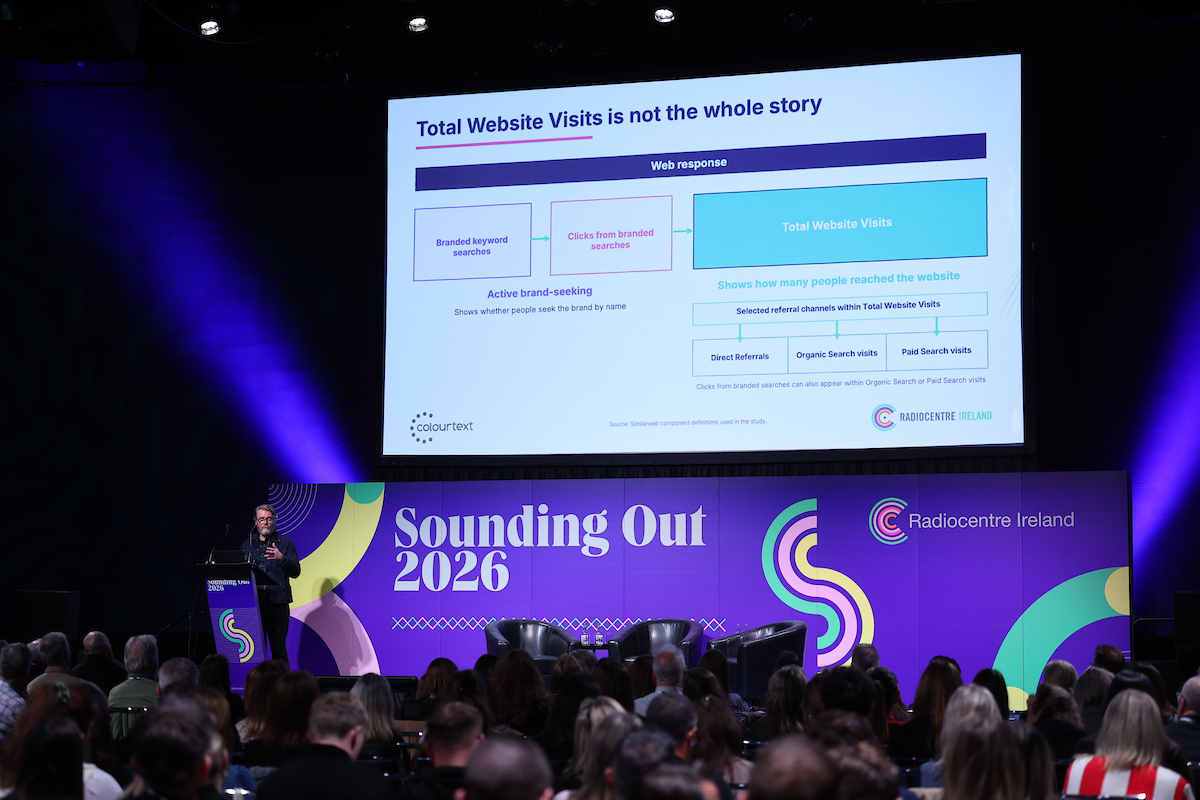
One of the study's most striking findings was a substantial decline in consumers searching for brands by name.
Branded searches declined for 19 of the 20 brands studied, even though overall website visits increased for 11 brands and online search interest grew in seven of the eight product categories examined.
This revealed an important distinction: consumers had not stopped looking for products and services, but they appeared less likely to begin their search with a particular brand in mind.
As Brownlee explained, consumers are increasingly searching for what they want, rather than who they want it from.
For advertisers, this presents a significant challenge. When consumers search for a product category rather than a brand, individual businesses must compete against multiple alternatives, making it increasingly important to build brand familiarity and preference before consumers enter the market.
Radio Advertising Makes a Measurable Difference
Despite this wider decline in branded search activity, the econometric analysis identified a positive relationship between radio advertising and online response.
For 16 of the 20 brands studied, higher radio activity was associated with an increase in at least one measure of web response. Across the quantified findings, increases ranged from 5% to 51%.
The research also found that:
Importantly, these positive relationships were evident even for some brands experiencing an overall decline in online activity.
Brownlee highlighted an example from the telecommunications sector where branded searches had fallen substantially over the two-year study period. Yet, during periods of higher radio advertising activity, branded searches were 15% above the level expected by the model.
The findings suggest that radio can help strengthen active demand for individual brands, even against challenging wider market trends.
Is Search Getting Too Much Credit?
The research also raised questions about how advertisers measure marketing effectiveness.
Brownlee explained that traditional website analytics often attribute a visit to the final channel used by a consumer, such as paid or organic search.
However, if someone hears a radio advertisement, subsequently searches for the brand and visits its website, search may receive the credit even though radio helped stimulate that interest.
This means that audio's contribution to generating brand demand may not be fully reflected in conventional digital attribution reporting.
Connecting Audio, Search and Website Experience
Brownlee argued that advertisers should think of audio, search and website activity as interconnected elements of a single marketing strategy.
Audio can help create or refresh demand for a brand. Search makes that brand easy to find when consumers are ready to act. The website then converts that interest into an enquiry, application or purchase.
He encouraged advertisers to align audio campaigns with search strategies, ensure consistency between advertising messages and website content, and measure performance against clearly defined objectives.
The research did not measure sales outcomes directly, but Brownlee highlighted the opportunity to extend the analysis using advertisers' own sales and conversion data.
The central conclusion was that radio can play an important role in turning general consumer interest into demand for a specific brand.
At a time when consumers appear increasingly likely to search for products and services rather than brand names, Brownlee left advertisers with a fundamental question:
Is your advertising doing enough to make your brand the one consumers actively seek and choose?
You can view a recording of the presentation and download the presentation deck by clicking the buttons below.